




When anyone asks me “Is Death Valley worth visiting?” my answer is always “Yes!” Death Valley National Park is a place so insanely diverse that a couple could do several different photoshoots in a single trip. Unlike the Grand Canyon’s singular look, Death Valley offers variety—even in one day. Find out how to plan your own Death Valley trip whether it’s short or long, for a special occasion or just for fun!


Your Very Own Death Valley Tour Guide
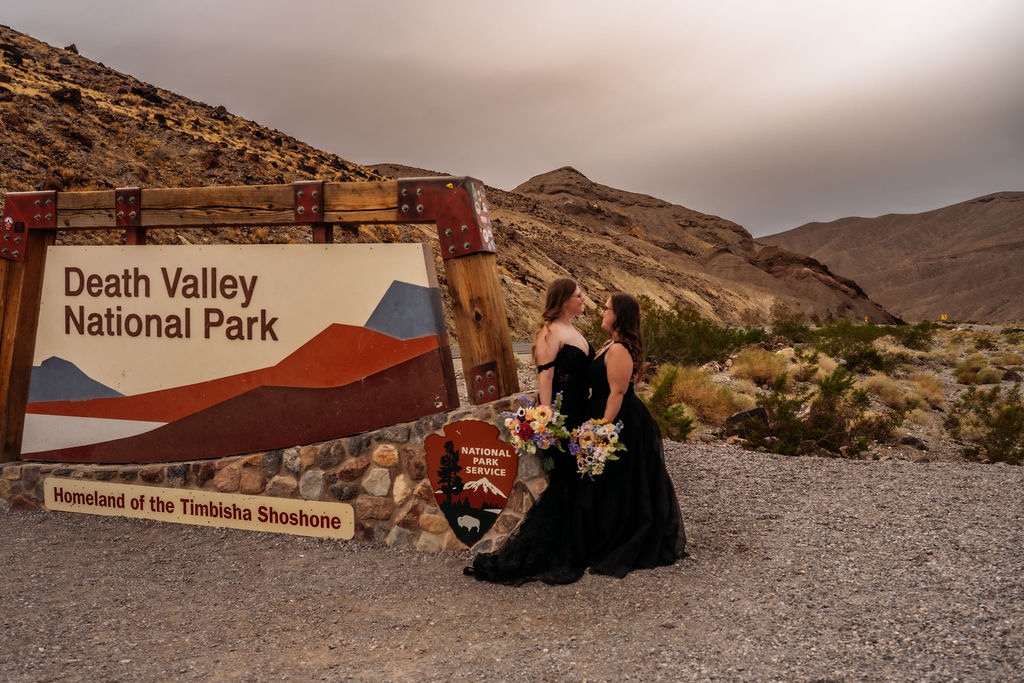

Located in both California and Nevada, the Death Valley is an easy two-hour drive from Las Vegas. The Harry Reid International Airport in Las Vegas is a convenient and easy airport to fly in and out of. Who knew that just outside of Las Vegas, you could travel to places that look like you’re walking on the moon?!


When planning your own Death Valley adventures it’s important to start with realistic expectations of what it’s like to experience the park. While it is possible to plan any type of Death Valley trip, this can only happen when you are properly prepared. So much of that depends upon knowing what to expect of the park at different times of the year. From elopements to couples sessions, I am happy to be your guide!
When and Where to Go for a Death Valley Trip
The key descriptor found on Death Valley’s national park website is that it’s the “hottest, driest and lowest national park,” which is totally accurate! That’s why the most significant factor determining your journey to the park is the Death Valley weather.


Due to the super hot and dry climate, the park’s best times of year are from November through March when the weather is most temperate. Otherwise, the weather works in extremes, hitting average highs of 120°F in the summer and average lows of 38°F in the winter.
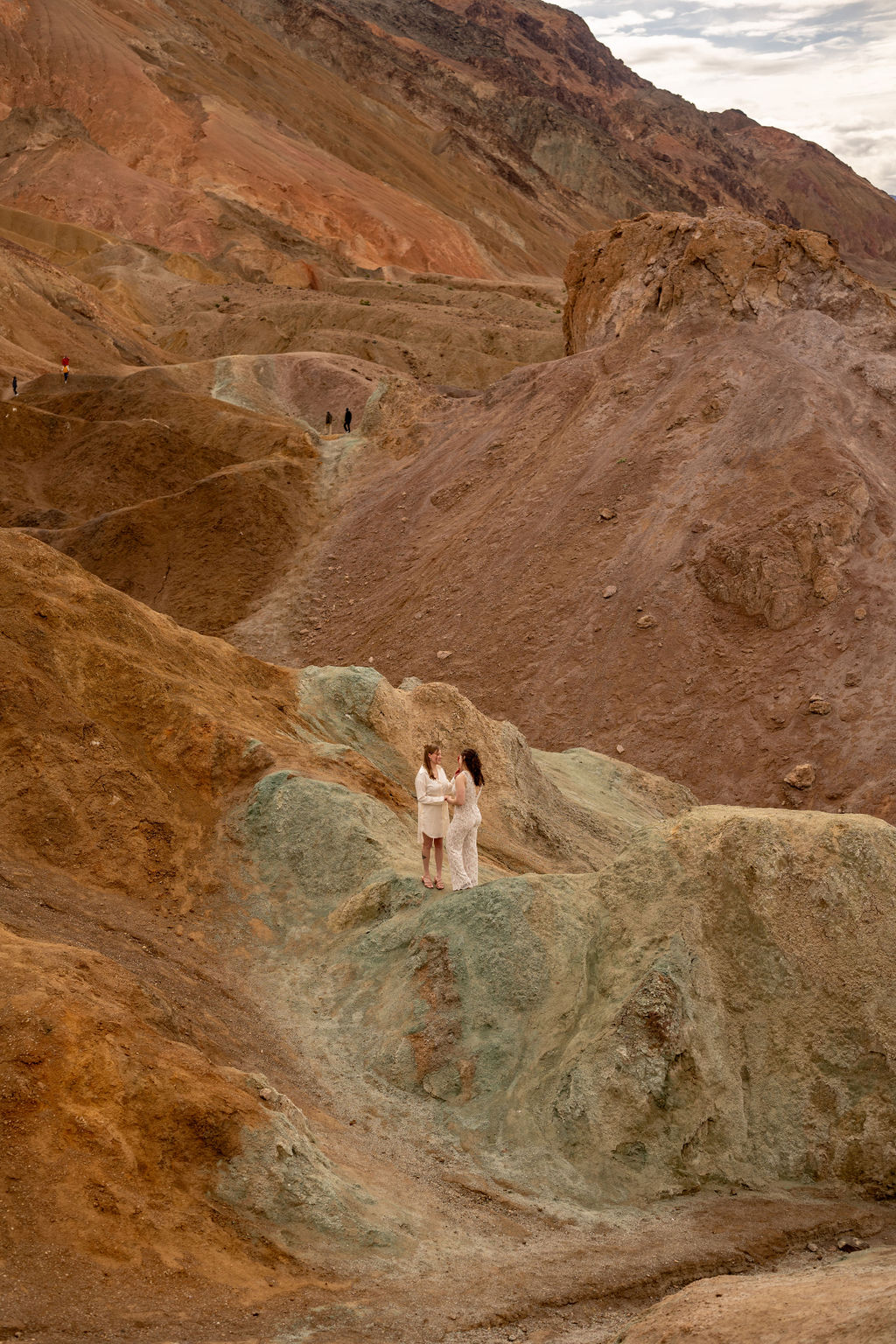
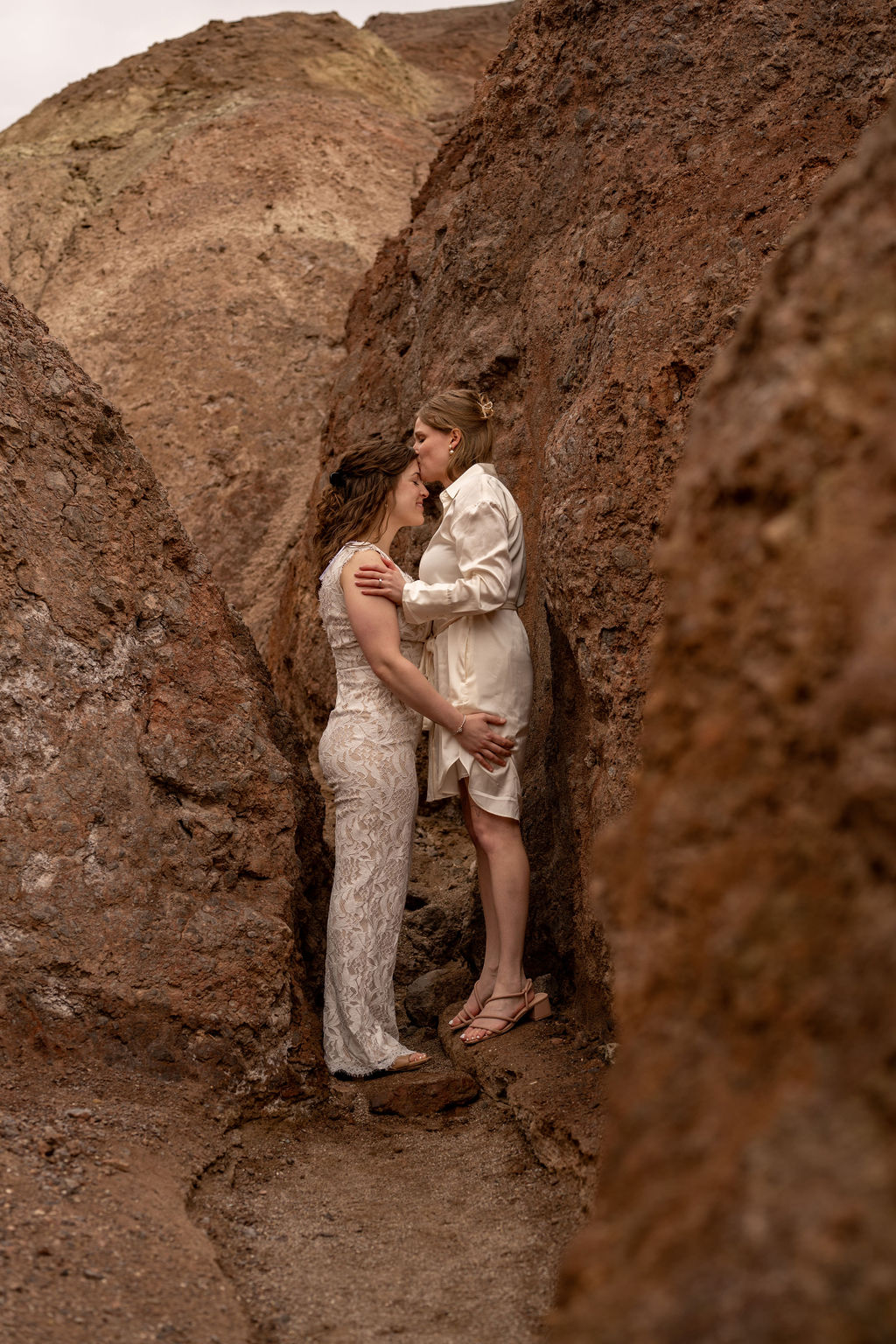

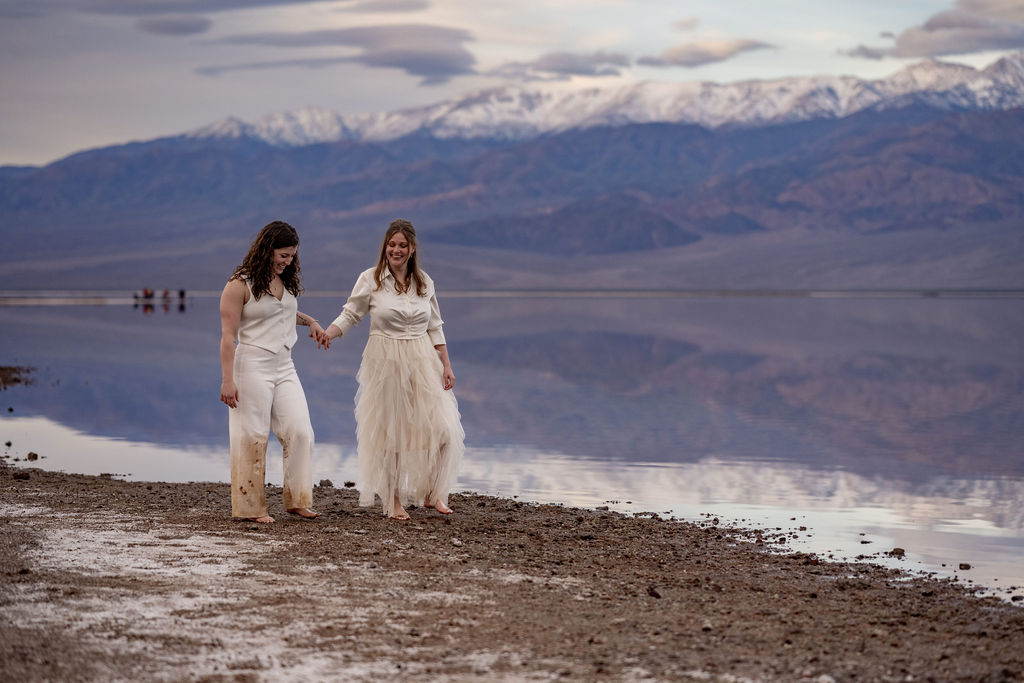
There is also a drastic amount of elevation found in the park. Badwater Basin sits at 282 feet (86 m) below sea level making it the lowest point in North America. You can then travel to the highest spot in Death Valley on Telescope Peak at 11,049 feet.
From these lowest to highest points is an elevation gain of over 11,000 feet which makes the hike one of the largest vertical rises in the U.S. Personally, I find that most of the unique views to experience can actually be found in the lower altitudes. I’ve listed the spots that I recommend first below!


Best Death Valley Photo Spots Inside of the Park
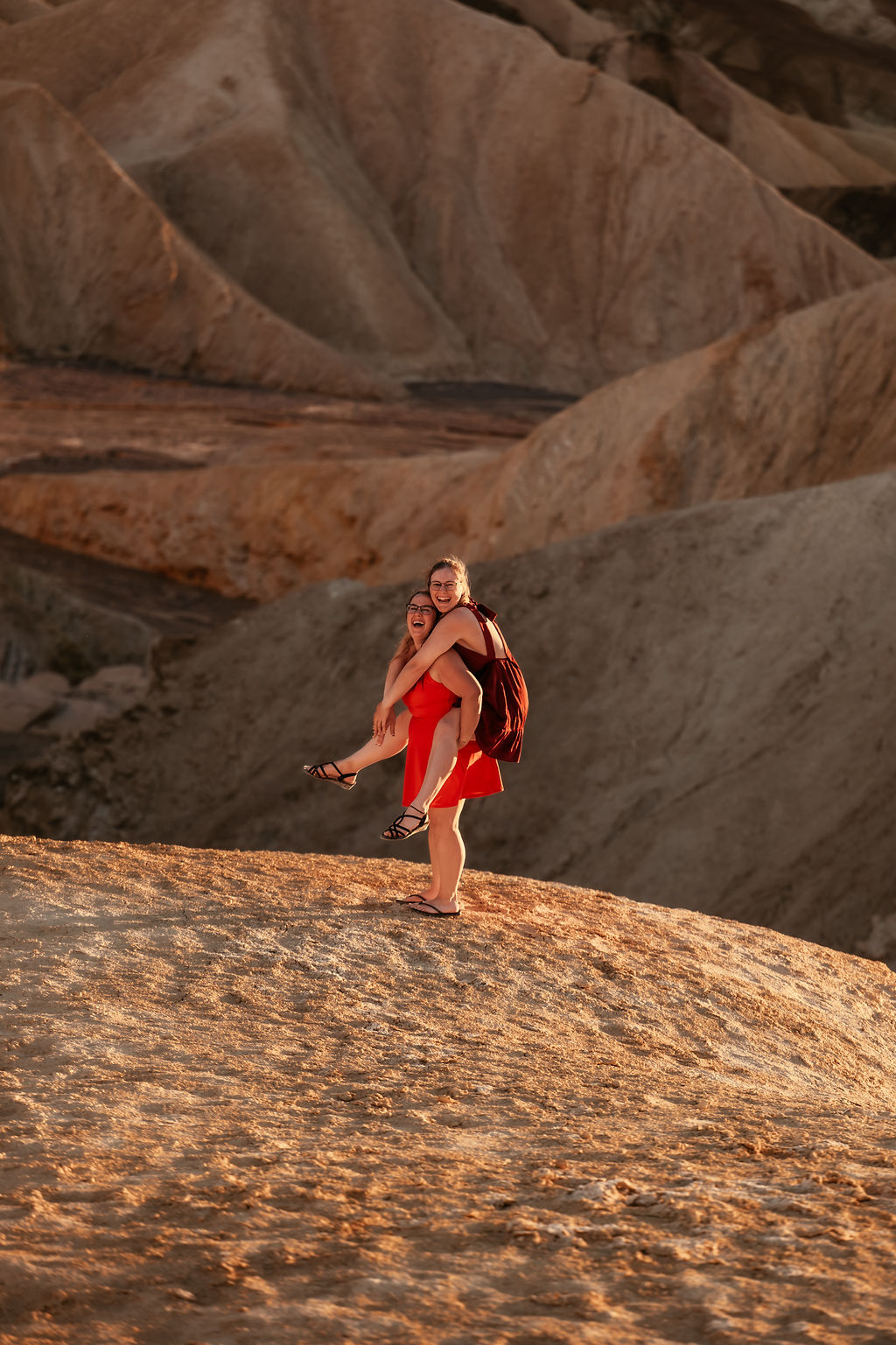


It’s important to keep in mind when visiting any of these destinations on a Death Valley trip that roads may close due to weather. Some roads like those leading into Scotty’s Castle or Titus Canyon have been closed for many years. Other roads going to Badwater Basin and Artists Palette can also close instantaneously. Unfortunately, with more and more budget cuts to the National Park Service, it can mean a more delayed reopening. Be sure to check the road status first!


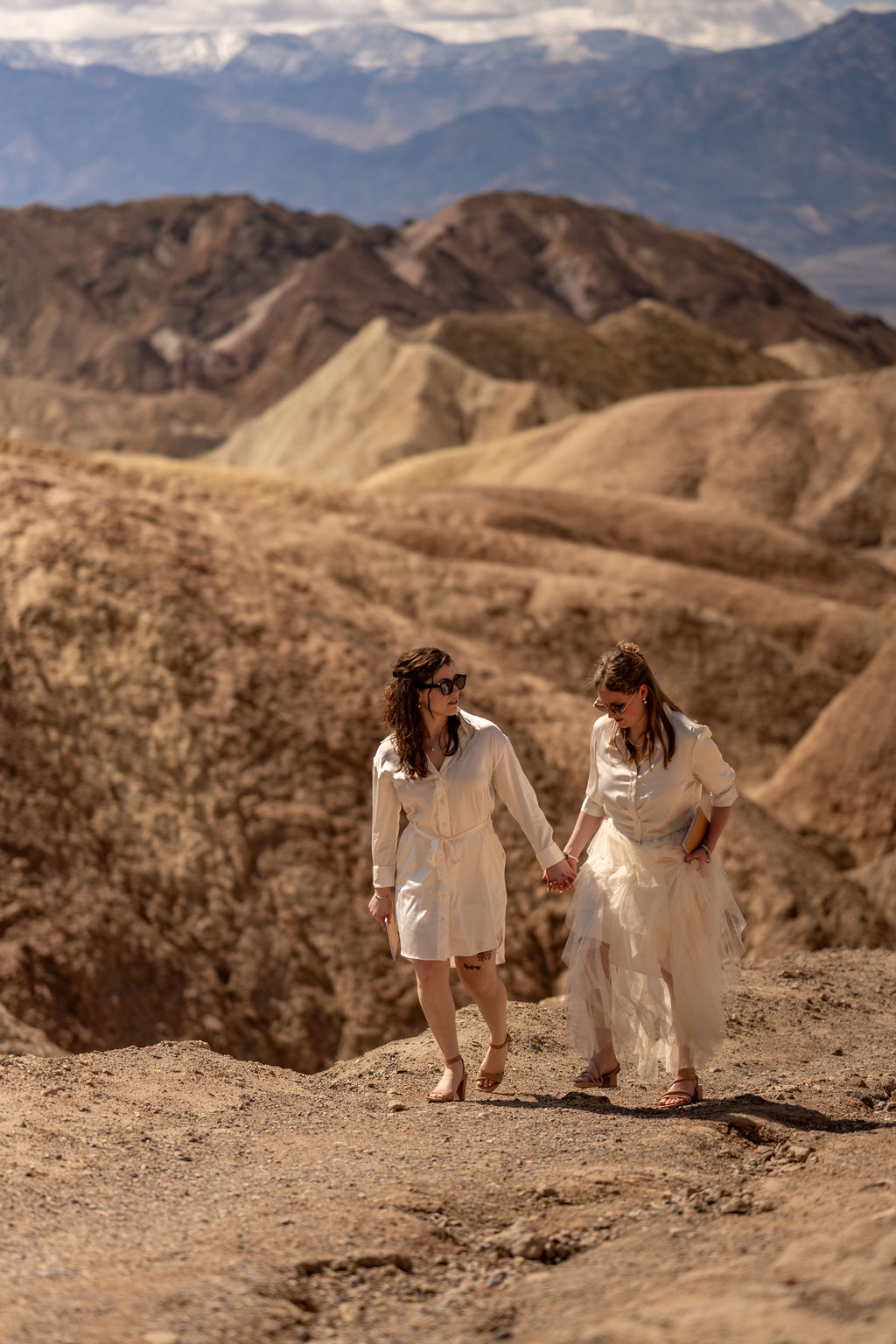
- Zabriskie Point – iconic badlands and one of the best viewpoints in the park. I also just love it at sunset!
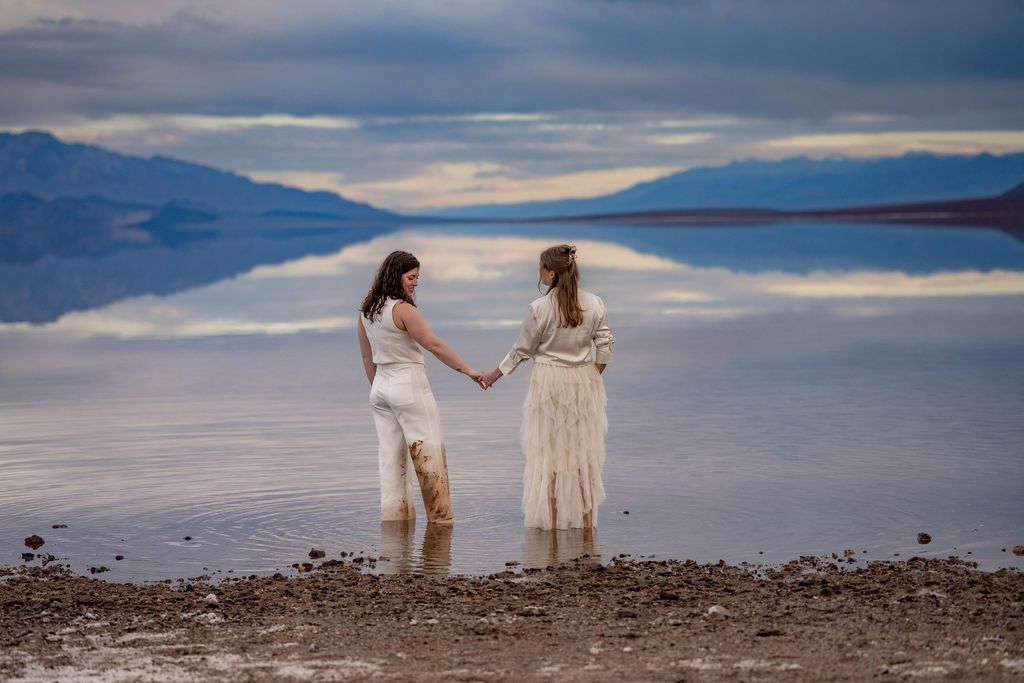
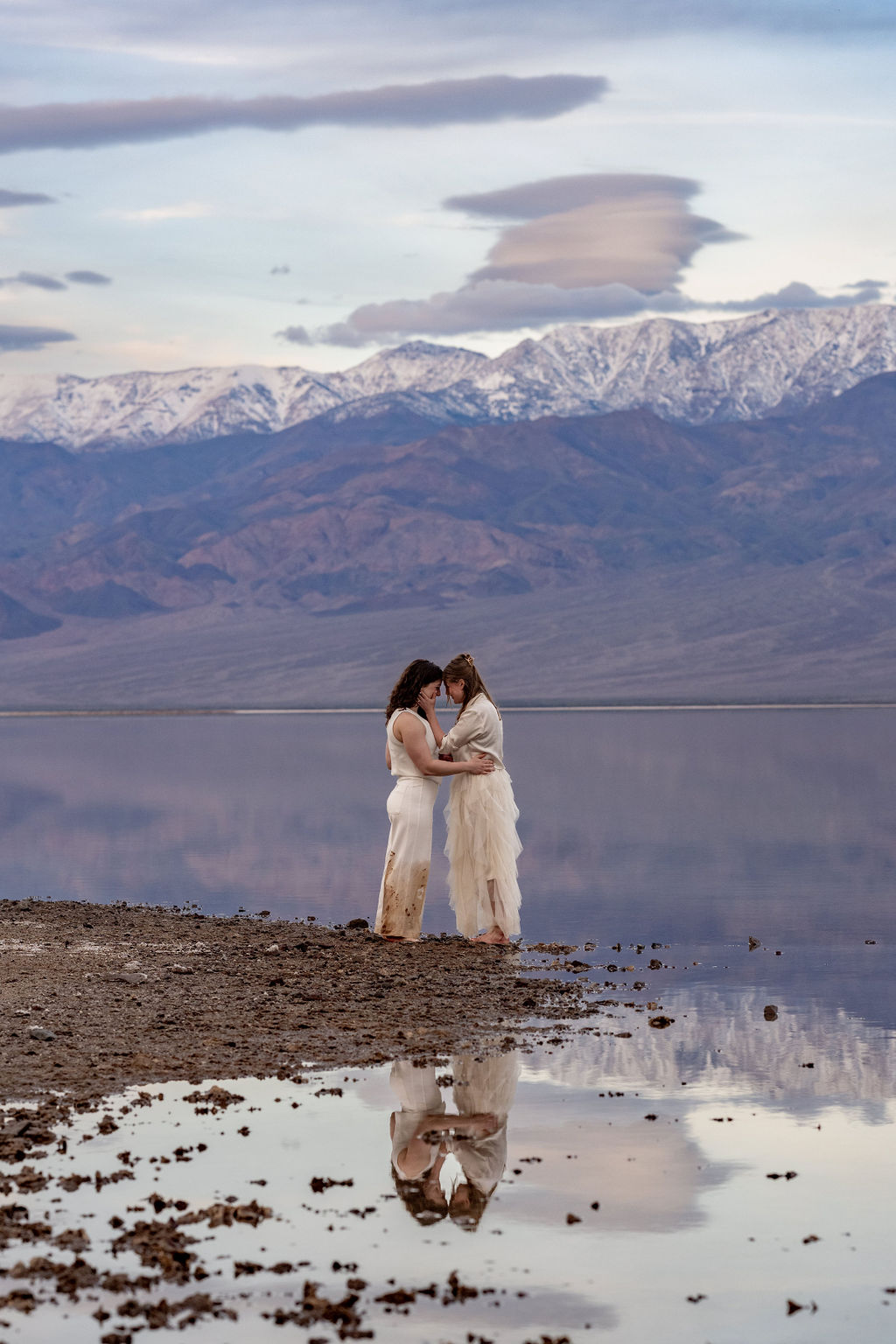
- Dante’s View – a high overlook with sweeping views over Badwater Basin. After years of being dry, this year, the basin filled with water transforming into a glassy reflection pool surrounded by purple mountains. It is so beautiful to behold in a place where water is infrequent, fleeting, and unusual.

- Artists Palette – easy scenic drive through colorful volcanic hills.
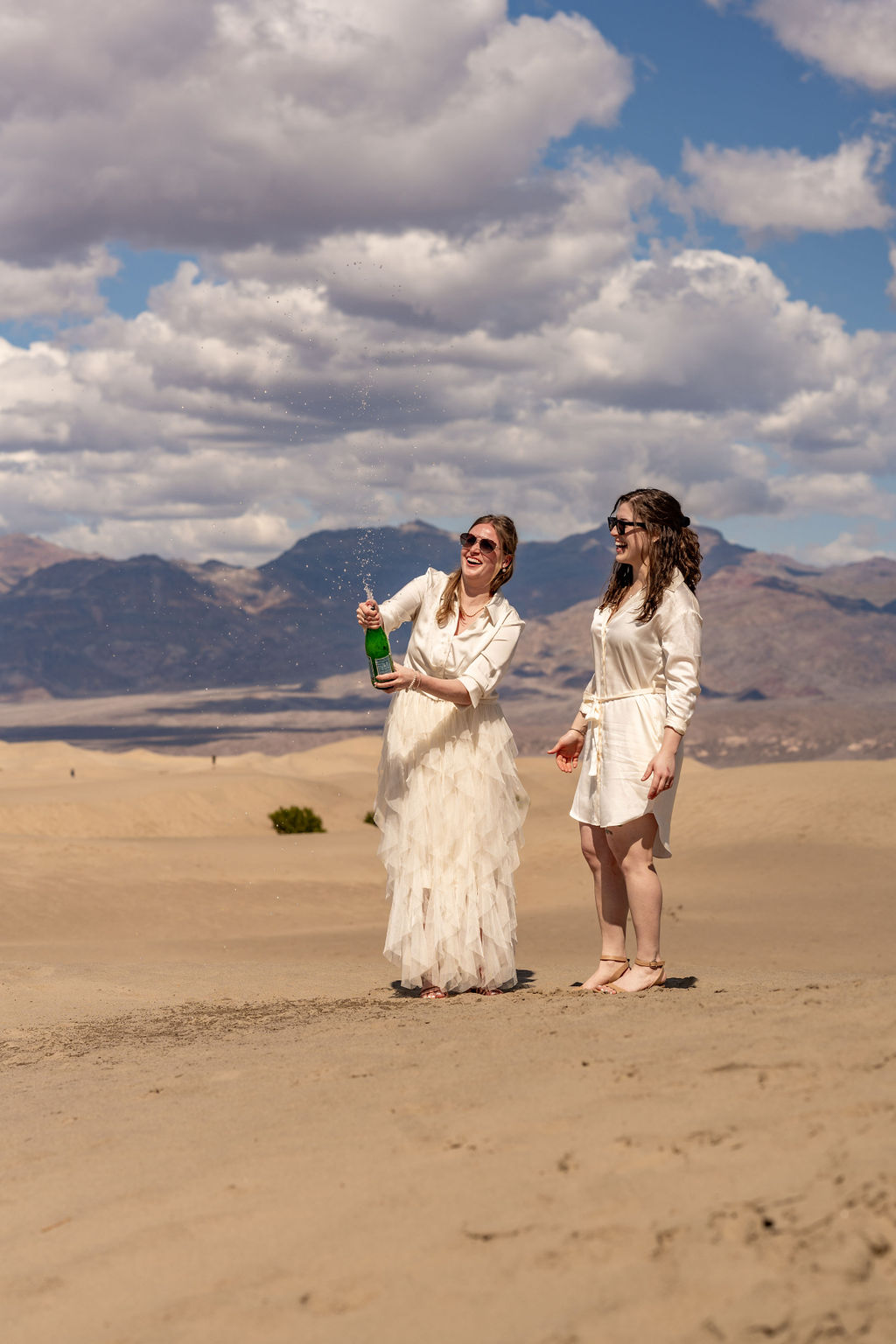
- Mesquite Flat Sand Dunes – classic rolling dunes, great for sunset or sunrise walks.


- Furnace Creek Campground – visitor center, small museum, gift shop, and dining + cute ice cream shop. The only campground in the park that accepts reservations during the busy season (October 15th – April 15th).
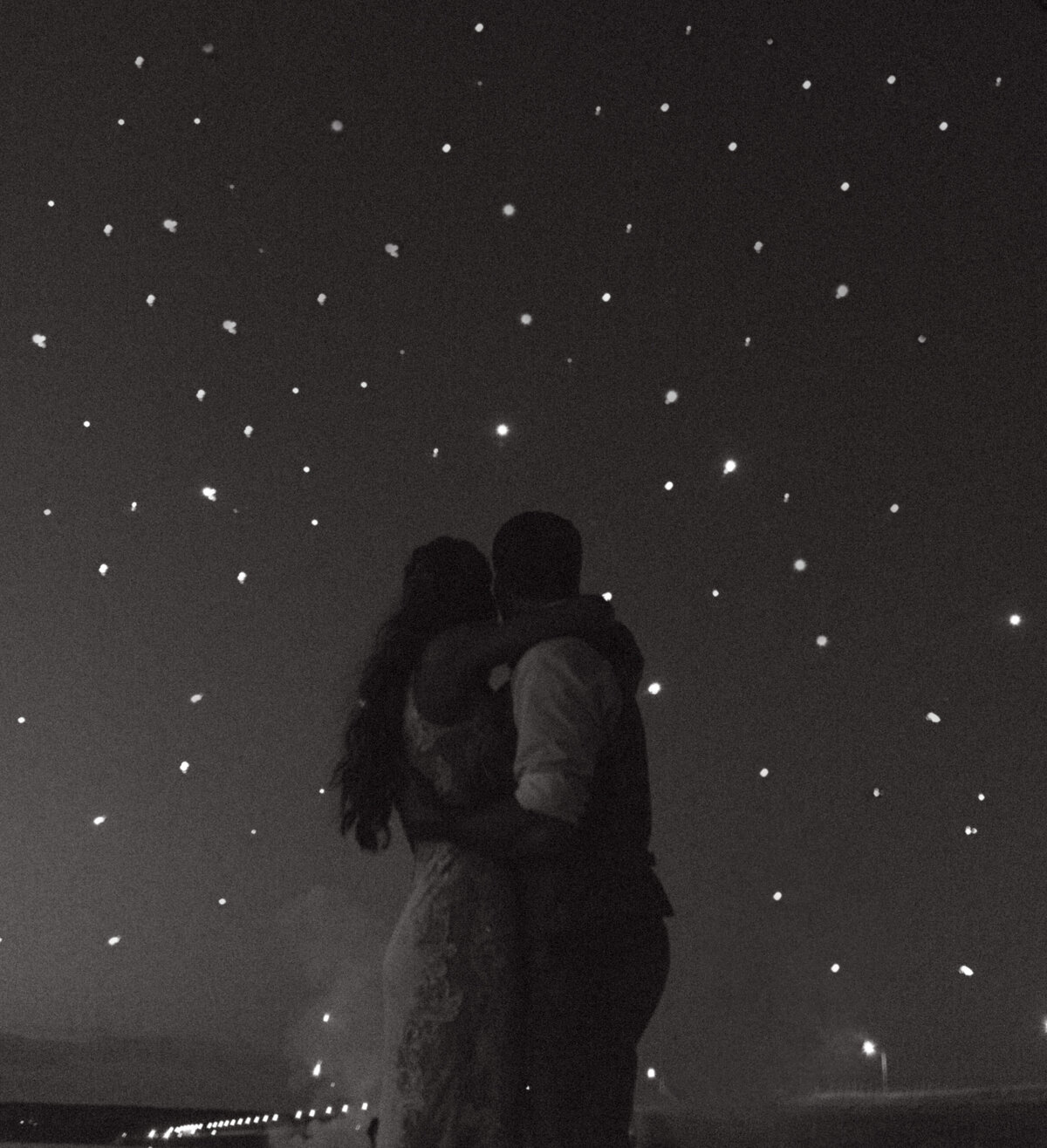
- Stargazing – Death Valley is one of the darkest night skies in the country.

- Lee Flat Joshua Trees – that’s right, you don’t have to go to Joshua Tree National Park to see Joshua trees. These are on the outskirts of Death Valley but easily accessible by route 190, about two hours from Panamint Springs Resort which is a hidden gem.

Places to Go Outside of the Park
The Rhyolite Ghost Town is just outside of Death Valley, where you can explore Gold Rush mining town ruins and a historic train station. Goldwell Open Air Museum is an outdoor sculpture park found in the nearby town of Beatty, Nevada. It also features the Red Barn Art Center that has different artist residencies throughout the year.

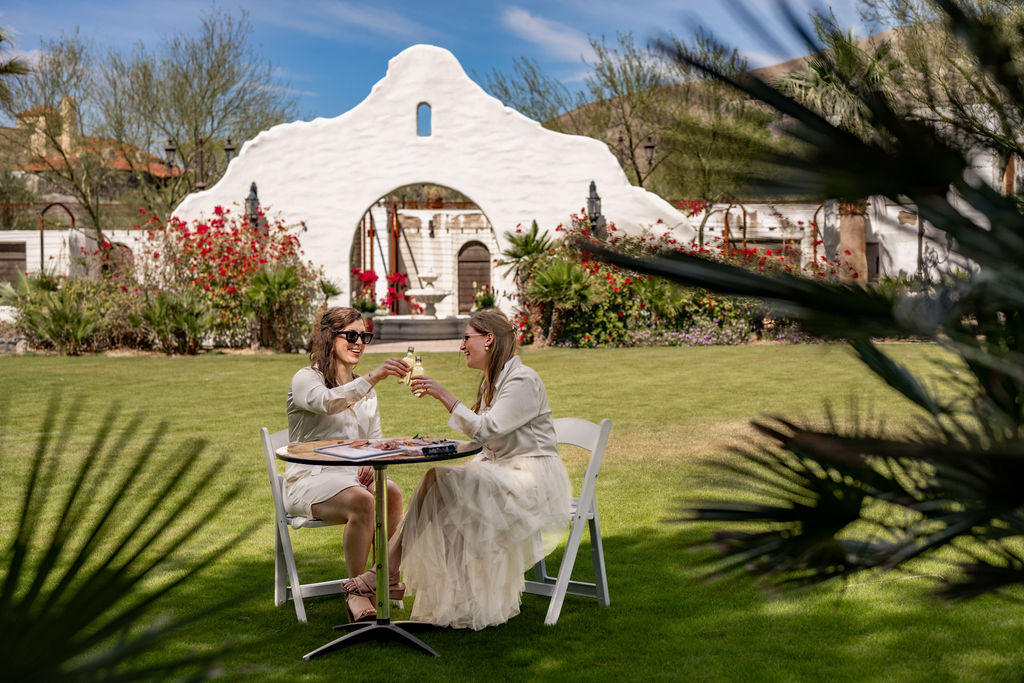
Another fun way to enjoy the greater Mojave desert region is a super fun side trip enjoying all that the town of Tecopa, California has to offer:
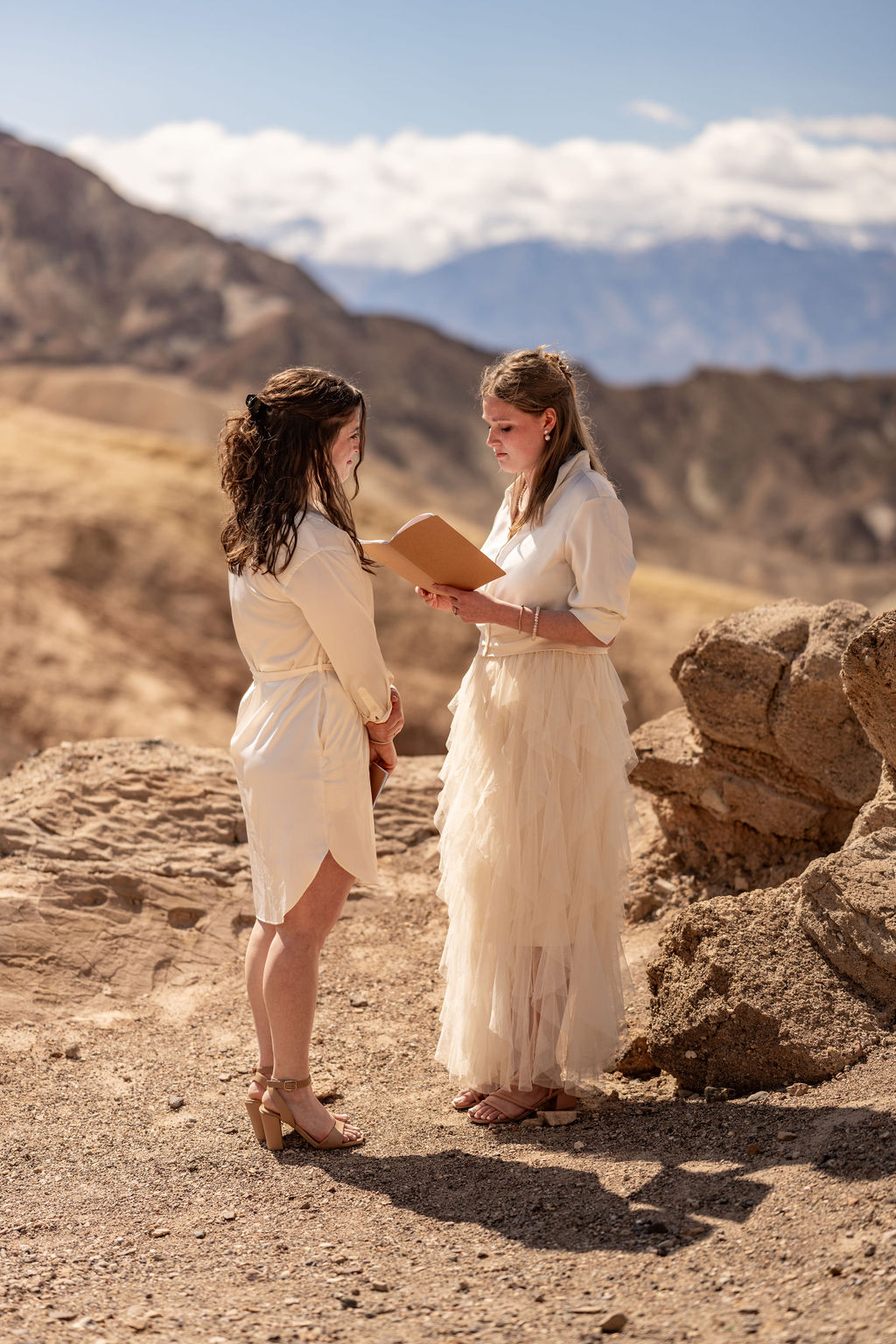
- China Ranch Date Farm: the area is known for date farming and here you can sample fresh dates and other treats.
- Tecopa Hot Springs: couples can relax in the natural hot springs and unwind after local adventures.
- Steaks and Beer: enjoy a delicious meal at this hidden gem. It’s a cozy, little-known restaurant that requires reservations by calling ahead. It’s not fancy inside, but the chef from NYC is amazing! I found out the hard way about the reservation rule so make sure you call ahead!
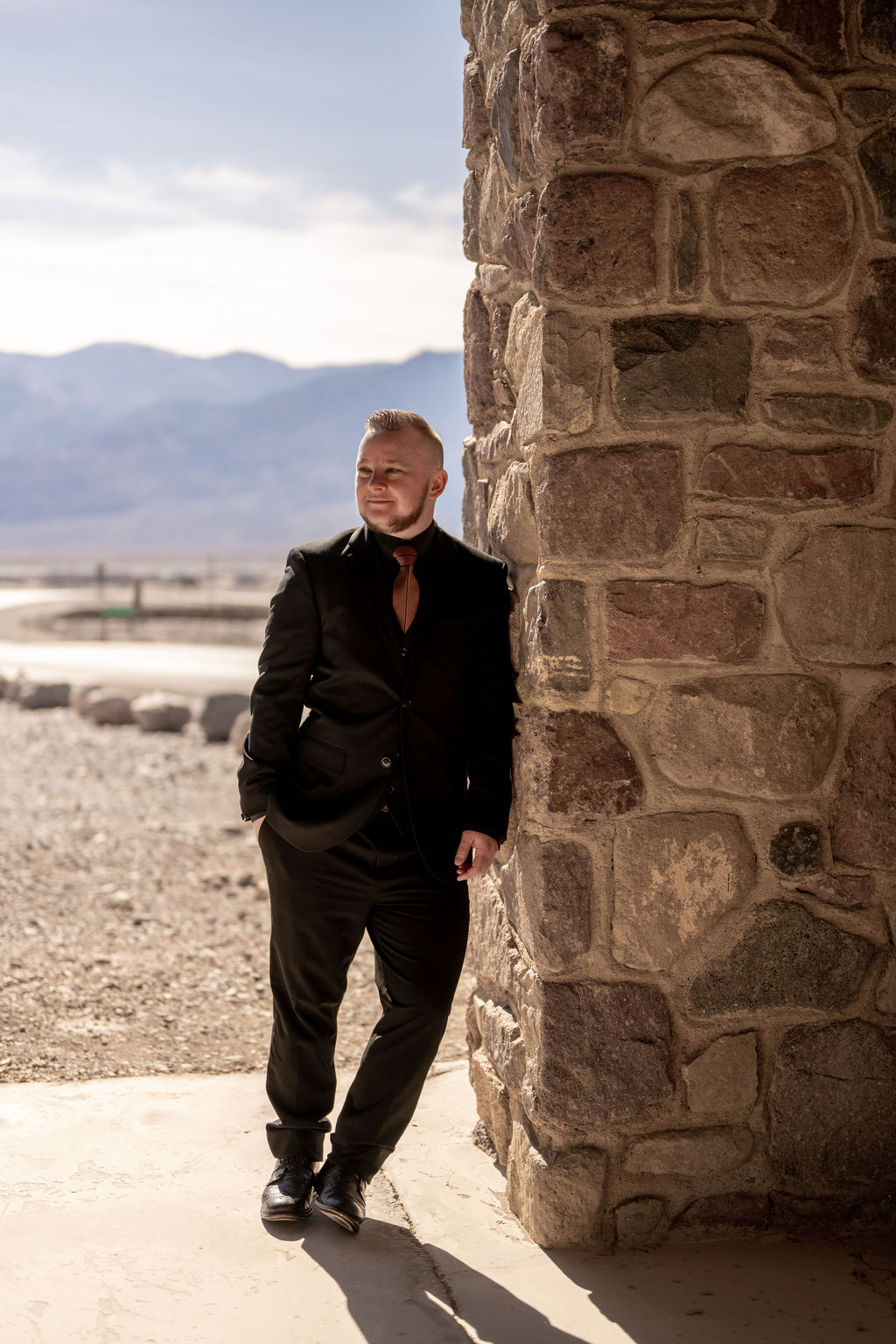


You can enjoy your own Death Valley trip inside and outside of the park with a Death Valley photographer (and tour guide!) to capture it!

Vendors
Destination | Death Valley National Park
Photographer | Terri Attridge Photography
PIN THIS